Nutrition can support hormonal health by addressing underfuelling and nutrient gaps. It is not a replacement for medical treatment of diagnosed hormonal conditions. 1 4
The useful question is not which food will balance every hormone, but whether your eating pattern meets your needs.
Cortisol and stress
Cortisol helps regulate energy use, blood glucose and the stress response. Persistently excessive levels, as in Cushing's syndrome, can cause muscle weakness and metabolic problems. 2
Everyday stress or abdominal weight gain does not establish cortisol excess. Symptoms overlap with many conditions, so diagnosis requires clinical assessment. 2
Caffeine can temporarily raise cortisol. That short-term response does not demonstrate that coffee causes long-term visceral fat gain. 3
Prolonged underfuelling relative to exercise can alter cortisol, lower thyroid hormone T3 and disrupt reproductive function. This is not an inevitable consequence of every calorie deficit. 4
Start by checking that meals cover your training demands. If caffeine leaves you wired or interferes with bedtime, try less or move it earlier rather than adding a cortisol-control supplement.
Thyroid function and nutrition
Iodine is needed to make thyroid hormones. NZ soils contain little, but most commercial bread uses iodised salt. Dairy, eggs and seafood are other useful sources. 5 6
If you use salt, choose iodised salt without increasing the amount. More iodine is not always better: excessive intake, including from some seaweed products, can cause thyroid problems. 5
Selenium supports enzymes that convert T4 to active T3. Fish and eggs provide selenium; shellfish, beef and legumes provide zinc. These nutrients matter, but supplements are not a thyroid reset. 1
Broccoli, cauliflower and kale contain goitrogens that can interfere with iodine use. Normal portions in a varied diet are generally not a concern when iodine intake is adequate. 6
Testosterone and diet
Adequate overall nutrition matters. In active people, sustained low energy availability can suppress testosterone, so a supplement cannot substitute for enough food. 4
A controlled feeding study found differences in testosterone measures between lower-fat and higher-fat diets. However, fibre and fat composition also changed, so dietary fat was not isolated. 7
This does not prove that lower-fat eating causes symptomatic testosterone deficiency or that eating more fat improves libido or training outcomes. 7
Fat tissue contains aromatase, which converts testosterone to oestradiol. However, tissue enzyme activity does not translate neatly into circulating hormone levels. 8
Obesity is associated with lower testosterone in men, and weight management may help some cases. It is not a guaranteed cure, and body size alone cannot diagnose deficiency. 9
Oestrogen metabolism
The liver processes oestrogens, and the intestine participates in their excretion and recycling. Gut microbial activity involved in this process is often called the estrobolome. 10
Small human studies link microbial characteristics with oestrogen measures. These associations do not show that changing the microbiome through food will treat hormonal symptoms. 10
Cruciferous vegetables contain precursors of indole-3-carbinol, a researched plant compound. That is not proof that broccoli corrects an oestrogen imbalance. 11
Keep vegetables, wholegrains and legumes in your diet for nutritional variety and fibre, rather than trying to flush out supposedly harmful hormones. 1
Insulin as a hormone
Insulin helps glucose enter cells. Insulin resistance means cells respond less effectively, making blood glucose harder to regulate. It is not simply a consequence of eating carbohydrates. 12
Healthy eating, physical activity, sufficient sleep and appropriate weight management can help. The aim is better metabolic health, not the lowest possible insulin level. 12
For more detail, read our guide to metabolic health.
Put the basics into practice
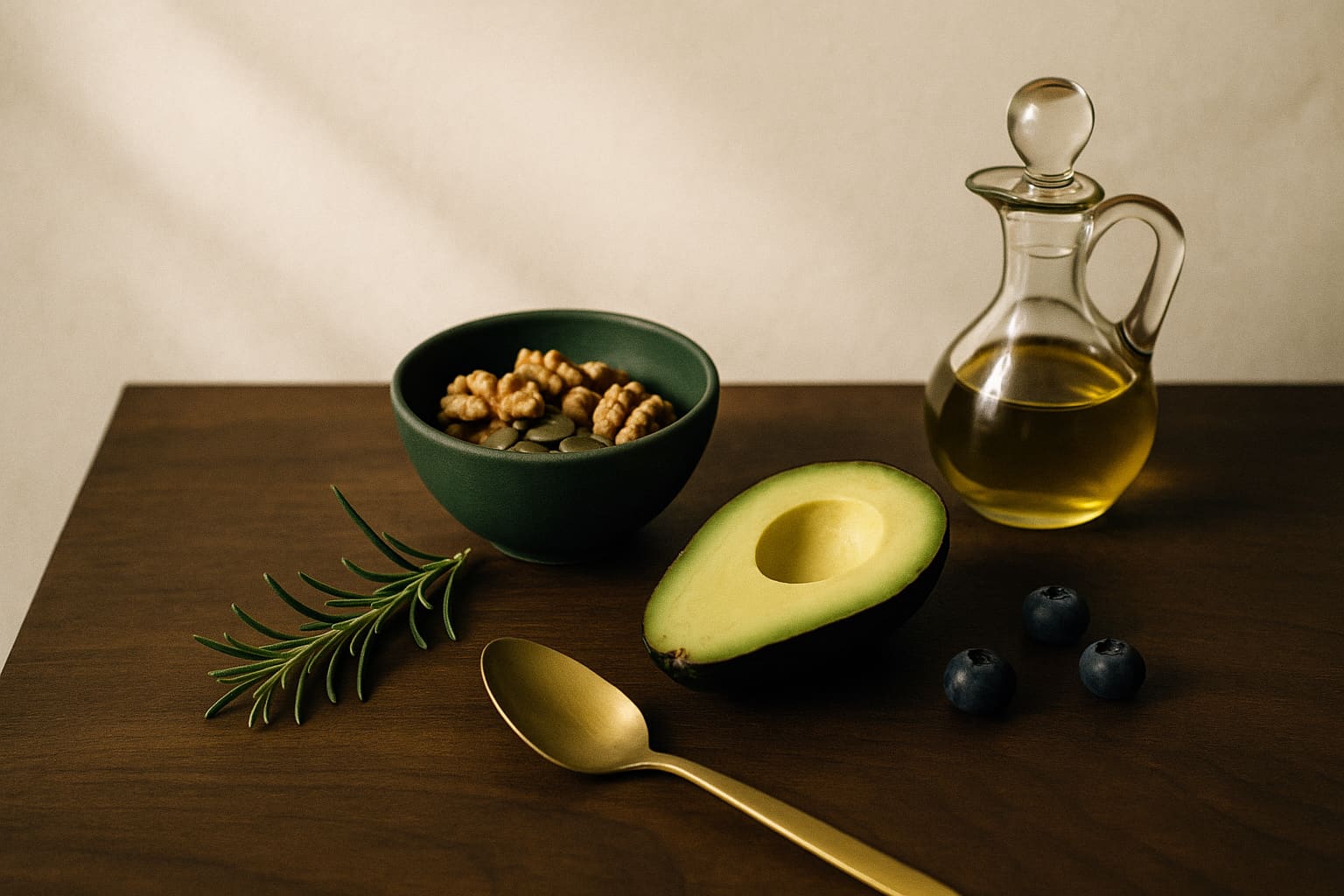
- Build meals around protein foods, vegetables, a higher-fibre carbohydrate and some unsaturated fat. For example: fish or beans, kūmara, broccoli and olive oil. 1
- Match food intake to training rather than repeatedly skipping meals to compensate for eating. 4
- If appetite changes across your menstrual cycle, adjust portions to your needs rather than forcing rigid phase-based macro targets.
Keep a brief record of meals, training, sleep and symptoms to discuss with your clinician or dietitian. For age-related context, see post-40 nutrition.
When to get help
See your GP for periods that stop or become persistently irregular, ongoing low libido, erectile changes, or poor recovery alongside restrictive eating. Underfuelling is one possible cause, not the only one. 4 9
Persistent fatigue or unexplained weight change also deserves assessment rather than a self-diagnosis of high cortisol. 2
In men, diagnosing testosterone deficiency requires compatible symptoms and repeated low morning blood results, not a body-composition scan. 9
Discuss suspected nutrient gaps, including zinc or vitamin D, before starting supplements. Do not replace prescribed thyroid treatment with a food or supplement plan. 1
If you want support putting these habits into practice, explore nutrition coaching.