
Nutrition Science Basics.
Practical guides to macros, fats, supplements, magnesium and omega-3 sources. Start with the macro overview or protein guide, then explore your next nutrition question.
13 articles on this topic.

Affordable High-Protein Meals in New Zealand: Five Practical Options
Build repeatable meals around ordinary foods. These five combinations show portion sizes, protein estimates and how to compare the real cost of what you eat.

How to Maintain Fat Loss After Coaching Ends
Maintenance needs a plan, not permanent dieting. Keep useful routines, monitor without obsessing and decide in advance when to ask for support.

What Happens in a Nutrition Coaching Check-in?
A practical look at weekly coaching: useful notes, an illustrative review, decisions for the next week, and clear programme costs.

Macros Without the Dogma: Protein, Carbs, and Fat Explained
Start with adequate protein, include essential fats, and adjust carbohydrates and total energy around your goals. A useful macro plan should support training, food quality and everyday life.

Magnesium Forms Compared: Which Actually Gets Absorbed
Citrate has better absorption evidence than oxide, but absorption is not the same as symptom relief. Compare six magnesium forms, their limitations and what to check before buying.

Hormonal Balance Through Nutrition: A Practical Guide
Nutrition can support hormonal health, but it cannot diagnose or treat every hormone problem. Start with adequate fuel, varied foods and advice matched to your symptoms.

How Much Protein Do You Need? Targets, Timing and Food Sources
For healthy adults who lift weights, around 1.6 g of protein per kg of body weight is a useful starting point. Learn when to adjust it and how to make it practical.

Supplement Industry Secrets: A Formulator's Guide to Labels and Quality
An ingredient name is not proof of benefit, and a testing logo is not a guarantee. Here is how to check supplement doses, evidence and quality before buying.
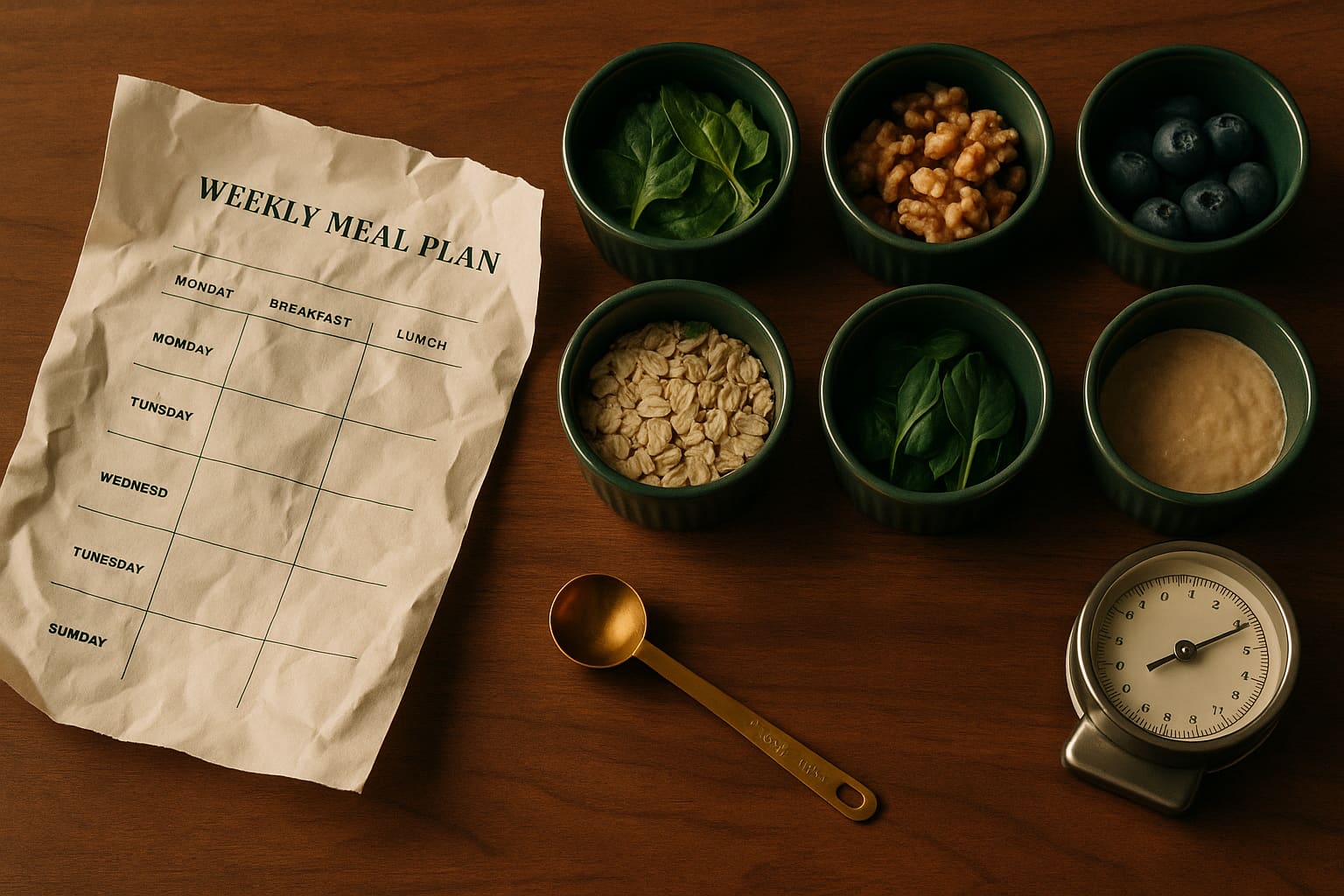
Why Meal Plans Can Fail (and What Data-Driven Nutrition Does Differently)
A useful meal plan needs more than suitable foods. It needs to fit your life and adapt to feedback, without treating scan estimates as exact answers.

Alcohol and Body Composition: What the Data Shows
Alcohol adds calories and temporarily changes fuel use. Its effects on recovery also matter, but laboratory findings do not predict a fixed reduction in fat loss.
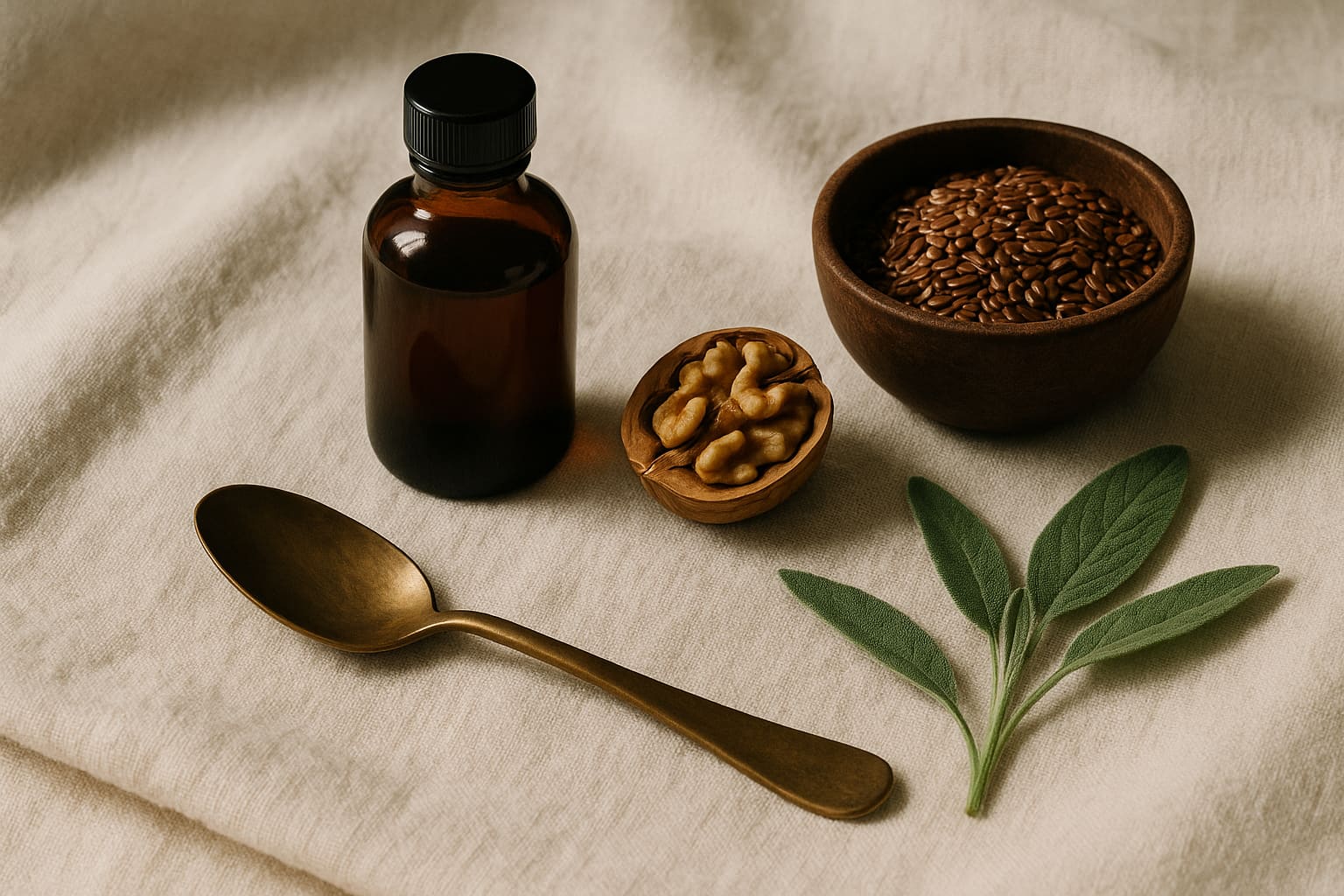
Seed Oils: What the 2026 Evidence Actually Says
Seed oils are not one ingredient, and laboratory chemistry is not a clinical outcome. Here is what the evidence supports, what remains uncertain and how to use it in your kitchen.

The First 12 Weeks: What to Expect When You Change Your Diet
Use the first 12 weeks to review symptoms, eating routines and progress, not to race a fixed adaptation deadline. Here is what to watch and when to adjust.
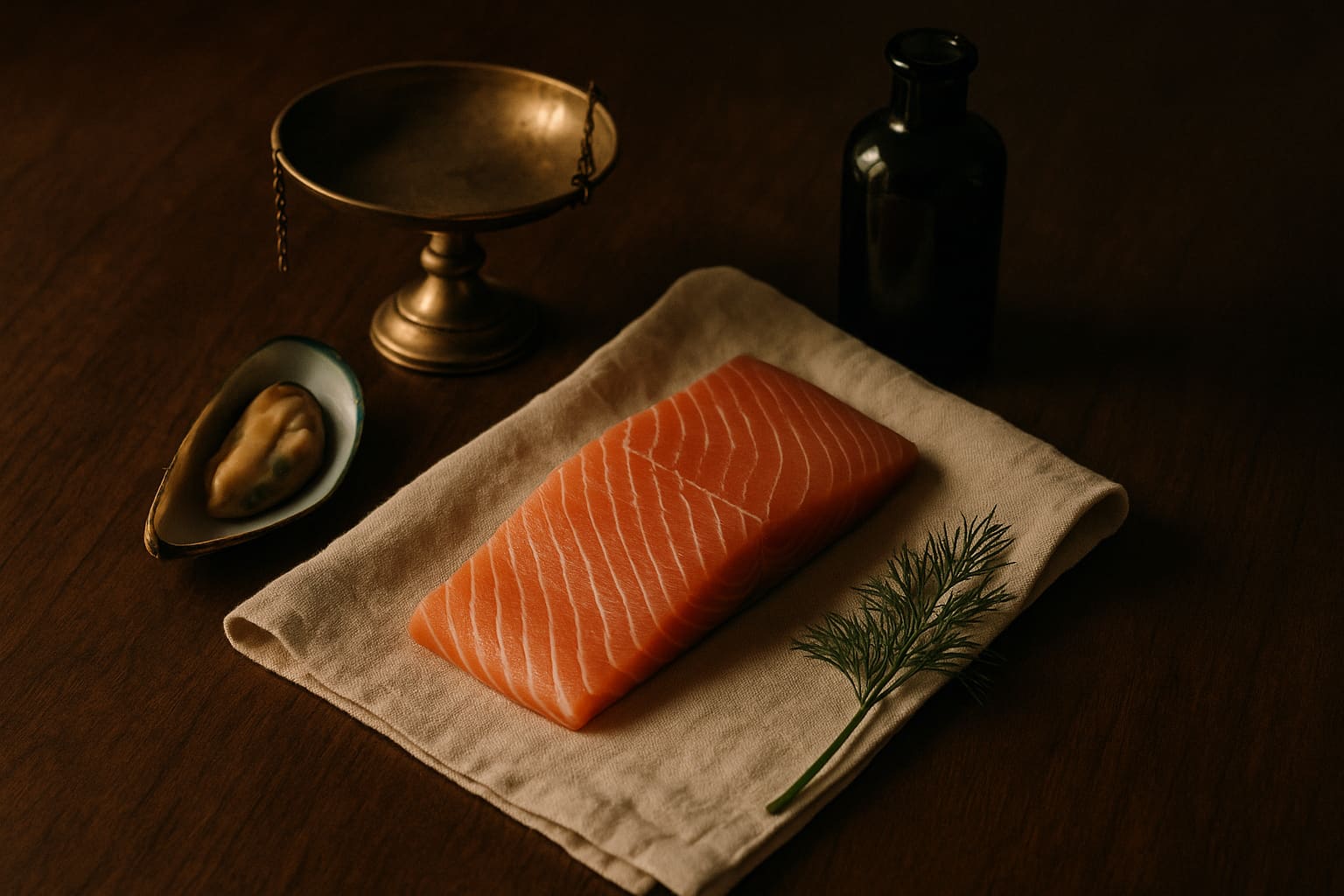
Omega-3 in New Zealand: Green-Lipped Mussel vs Salmon vs Fish Oil
Start with the food you enjoy, then decide whether a supplement fills a real gap. Mussels, salmon and fish oil differ in their nutrients, formulations and supporting evidence.
Find your
next step.
The free metabolic audit uses your answers to suggest coaching priorities. No commitment, and no medical diagnosis. Explore the programmes when you are ready.